Aug 16, 2025
Minimalism in Web Design
Less clutter, more clarity—why minimalism works.
Type
Web Design, Minimalism
Read Time
3 min
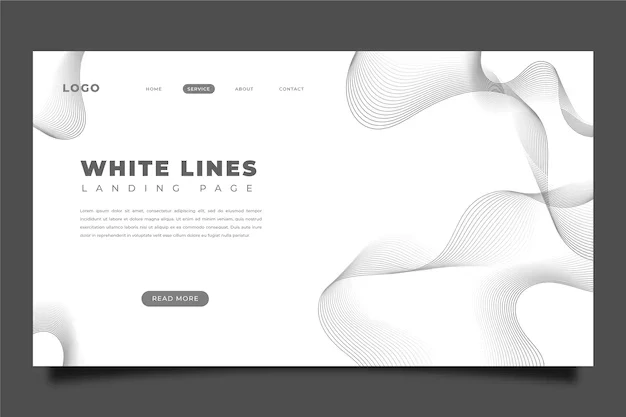
Minimalism is one of the most influential trends in modern web design. At its core, minimalism is about clarity, simplicity, and focus. By removing unnecessary elements, designers guide the user’s attention to what truly matters—content and functionality.
Minimalist web design typically relies on:
White space to create balance and breathing room.
Simple typography that enhances readability.
Limited color palettes that emphasize consistency.
Clean navigation with fewer choices and distractions.
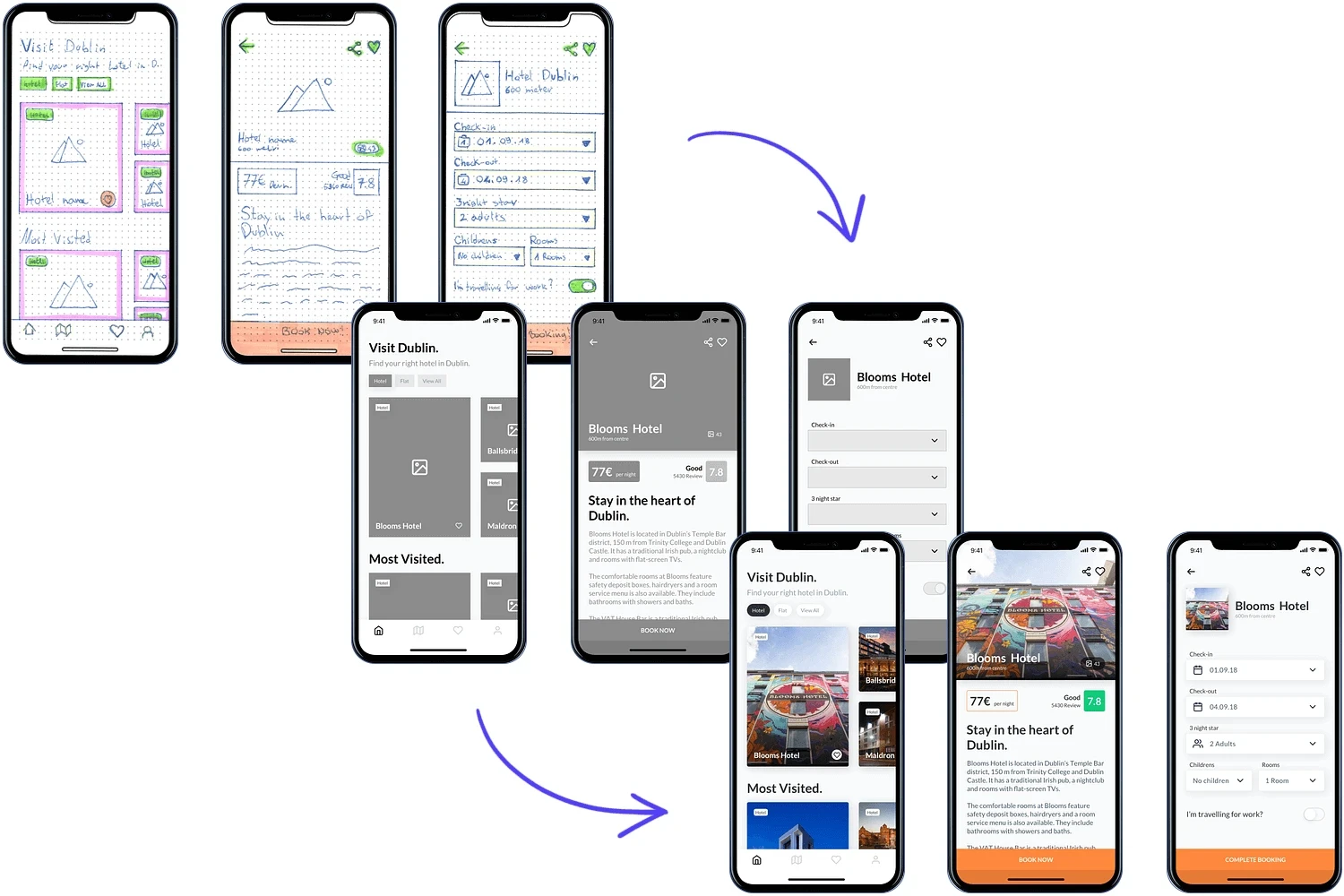

Minimalism also enhances usability. A cluttered design overwhelms visitors and makes navigation confusing. On the other hand, a minimalist interface reduces friction and allows for intuitive user flows. In today’s digital world—where attention spans are shorter than ever—simplicity wins.
Another advantage of minimalism is performance. Cleaner designs with fewer elements load faster, improving SEO rankings and reducing bounce rates. In a mobile-first world, speed and clarity are non-negotiable.
Ultimately, minimalism in web design is about achieving balance. It’s not about doing less, but about focusing on what matters most: delivering a clear and seamless experience.
Photo suggestions:

The philosophy behind minimalism is not about removing design, but about designing with intention. Every element on the page has a clear purpose. This results in faster loading times, improved user experience, and higher conversion rates.
Brands like Apple have mastered minimalism. Their websites use bold visuals, clean typography, and plenty of whitespace to make products the star of the show. Instead of overwhelming users, the design feels elegant, direct, and premium.
More Resources



Aug 16, 2025
Minimalism in Web Design
Less clutter, more clarity—why minimalism works.
Type
Web Design, Minimalism
Read Time
3 min
Minimalism is one of the most influential trends in modern web design. At its core, minimalism is about clarity, simplicity, and focus. By removing unnecessary elements, designers guide the user’s attention to what truly matters—content and functionality.
Minimalist web design typically relies on:
White space to create balance and breathing room.
Simple typography that enhances readability.
Limited color palettes that emphasize consistency.
Clean navigation with fewer choices and distractions.
Minimalism also enhances usability. A cluttered design overwhelms visitors and makes navigation confusing. On the other hand, a minimalist interface reduces friction and allows for intuitive user flows. In today’s digital world—where attention spans are shorter than ever—simplicity wins.
Another advantage of minimalism is performance. Cleaner designs with fewer elements load faster, improving SEO rankings and reducing bounce rates. In a mobile-first world, speed and clarity are non-negotiable.
Ultimately, minimalism in web design is about achieving balance. It’s not about doing less, but about focusing on what matters most: delivering a clear and seamless experience.
Photo suggestions:
The philosophy behind minimalism is not about removing design, but about designing with intention. Every element on the page has a clear purpose. This results in faster loading times, improved user experience, and higher conversion rates.
Brands like Apple have mastered minimalism. Their websites use bold visuals, clean typography, and plenty of whitespace to make products the star of the show. Instead of overwhelming users, the design feels elegant, direct, and premium.
More Resources