Aug 15, 2025
Future Trends in Web Design
What’s shaping web design in 2025 and beyond?
Type
Design Trends
Read Time
4 min
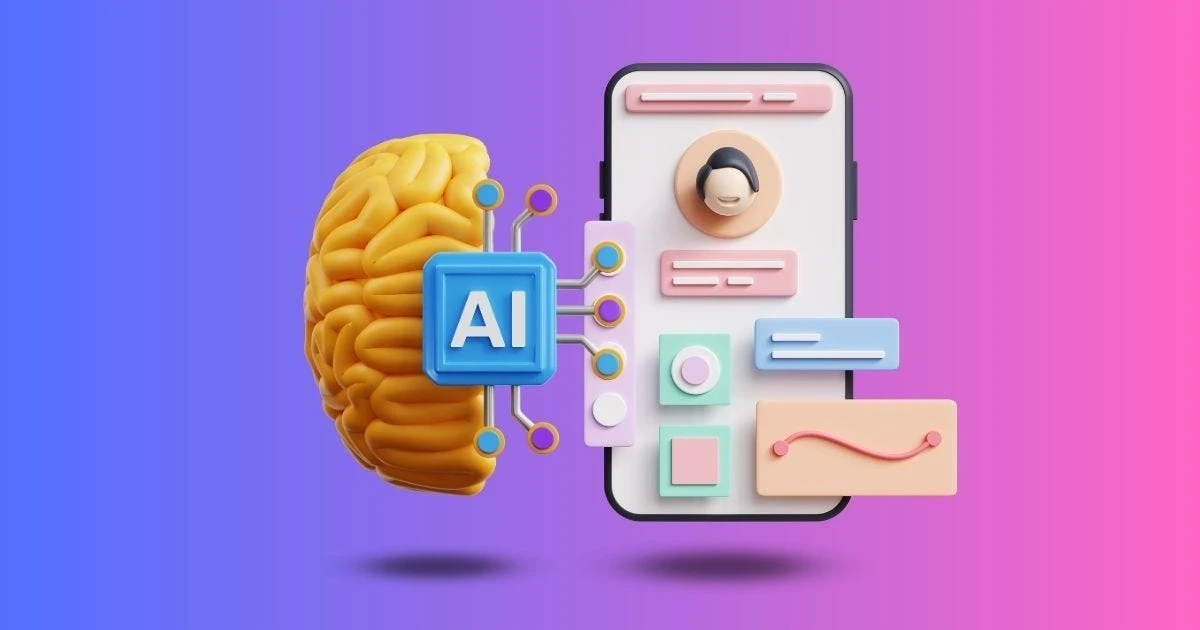
Web design is an ever-evolving field, constantly influenced by new technologies and changing user expectations. As we look ahead to 2025 and beyond, several key trends are shaping the future of digital experiences.
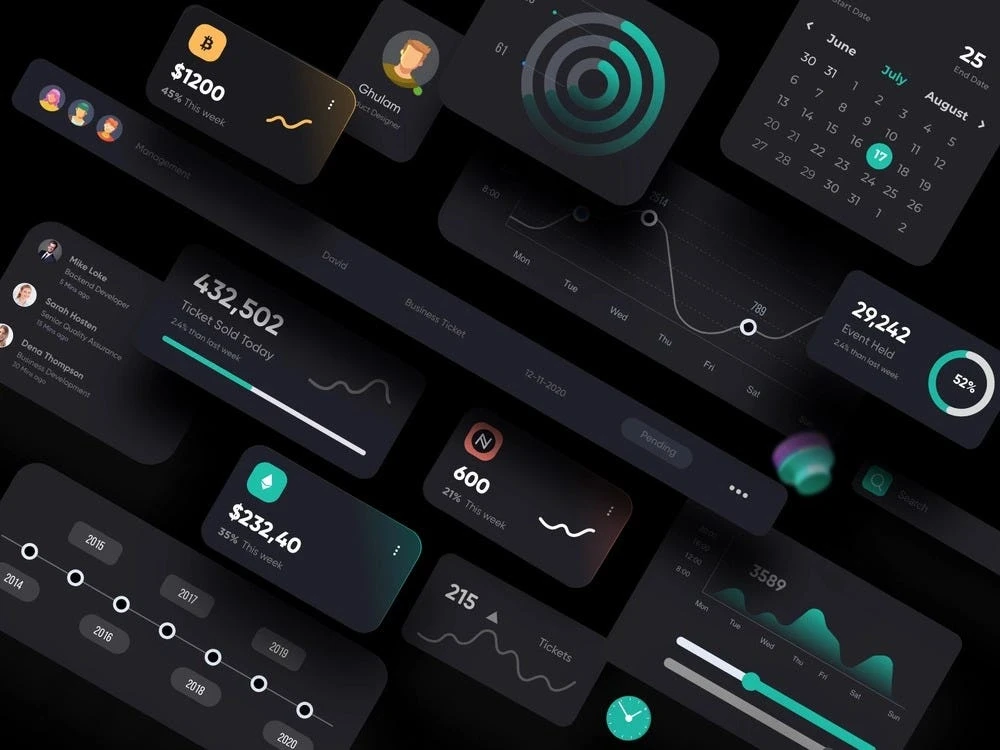
Micro-Interactions
Small animations—like a button changing color on hover or a subtle vibration when a task is completed—make experiences more dynamic. These details guide user behavior without being distracting.Sustainable Web Design
With the growing awareness of digital carbon footprints, designers are now focusing on lightweight websites. Optimized code, compressed images, and efficient hosting reduce energy usage while improving performance.
The future of web design lies at the crossroads of technology, creativity, and ethics. While tools like AI and immersive design push the boundaries of what’s possible, designers must also prioritize human-centered experiences. After all, the best websites don’t just look good—they make people feel understood, connected, and inspired.
AI-Powered Personalization
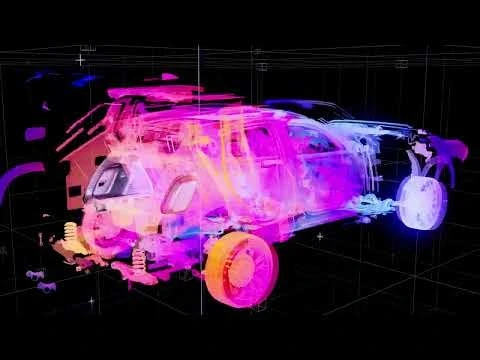
Artificial intelligence is transforming the way websites interact with users. By analyzing browsing behavior, preferences, and even location, AI can deliver personalized content in real time. Imagine visiting a travel site that instantly tailors recommendations based on your past searches.Immersive 3D and Interactive Elements
Advancements in WebGL and WebXR are making interactive 3D experiences more accessible. From product previews to virtual showrooms, these features boost engagement and help users make better decisions.Dark Mode and Accessibility
Dark mode has become an expected feature, not just a trend. Alongside this, accessibility is more critical than ever. Websites must meet WCAG standards to ensure inclusivity for people with disabilities.
More Resources


Aug 15, 2025
Future Trends in Web Design
What’s shaping web design in 2025 and beyond?
Type
Design Trends
Read Time
4 min
Web design is an ever-evolving field, constantly influenced by new technologies and changing user expectations. As we look ahead to 2025 and beyond, several key trends are shaping the future of digital experiences.
Micro-Interactions
Small animations—like a button changing color on hover or a subtle vibration when a task is completed—make experiences more dynamic. These details guide user behavior without being distracting.Sustainable Web Design
With the growing awareness of digital carbon footprints, designers are now focusing on lightweight websites. Optimized code, compressed images, and efficient hosting reduce energy usage while improving performance.
The future of web design lies at the crossroads of technology, creativity, and ethics. While tools like AI and immersive design push the boundaries of what’s possible, designers must also prioritize human-centered experiences. After all, the best websites don’t just look good—they make people feel understood, connected, and inspired.
AI-Powered Personalization
Artificial intelligence is transforming the way websites interact with users. By analyzing browsing behavior, preferences, and even location, AI can deliver personalized content in real time. Imagine visiting a travel site that instantly tailors recommendations based on your past searches.Immersive 3D and Interactive Elements
Advancements in WebGL and WebXR are making interactive 3D experiences more accessible. From product previews to virtual showrooms, these features boost engagement and help users make better decisions.Dark Mode and Accessibility
Dark mode has become an expected feature, not just a trend. Alongside this, accessibility is more critical than ever. Websites must meet WCAG standards to ensure inclusivity for people with disabilities.
More Resources